Technology
AZUL Energy Technology Capabilities
Our strength lies in proprietary materials technology centered on the high-performance, rare-metal-free AZUL Catalyst. We also have a unique development structure that vertically integrates catalyst, electrode, and system design—an advantage few others can match.
Catalyst
- High-performance, rare-metal-free AZUL Catalyst
- Improves battery power generation efficiency and power density

Electrode (GDL)
- Optimized for AZUL Catalyst; achieves industry-leading performance
- Supports the catalyst and determines output characteristics
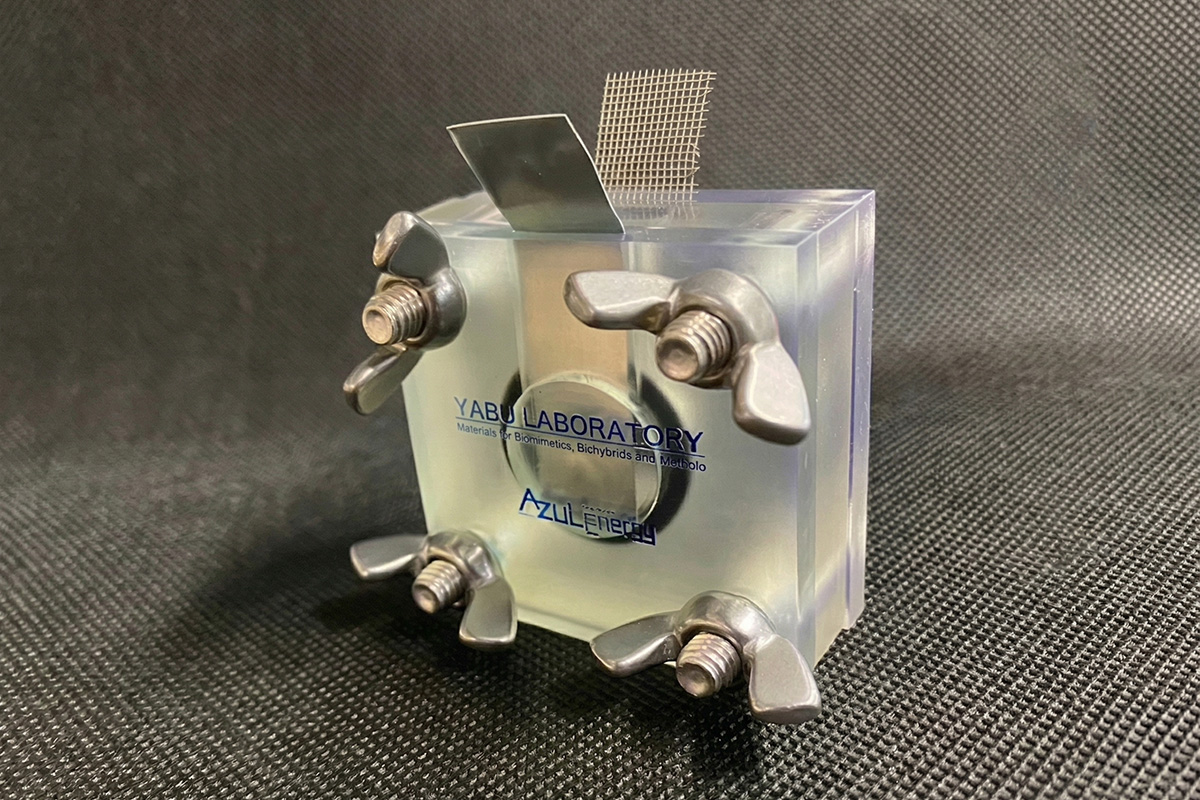
Cell
- Reaction control and internal environment design for stable operation
- Stack structure designed for mass production and lower cost
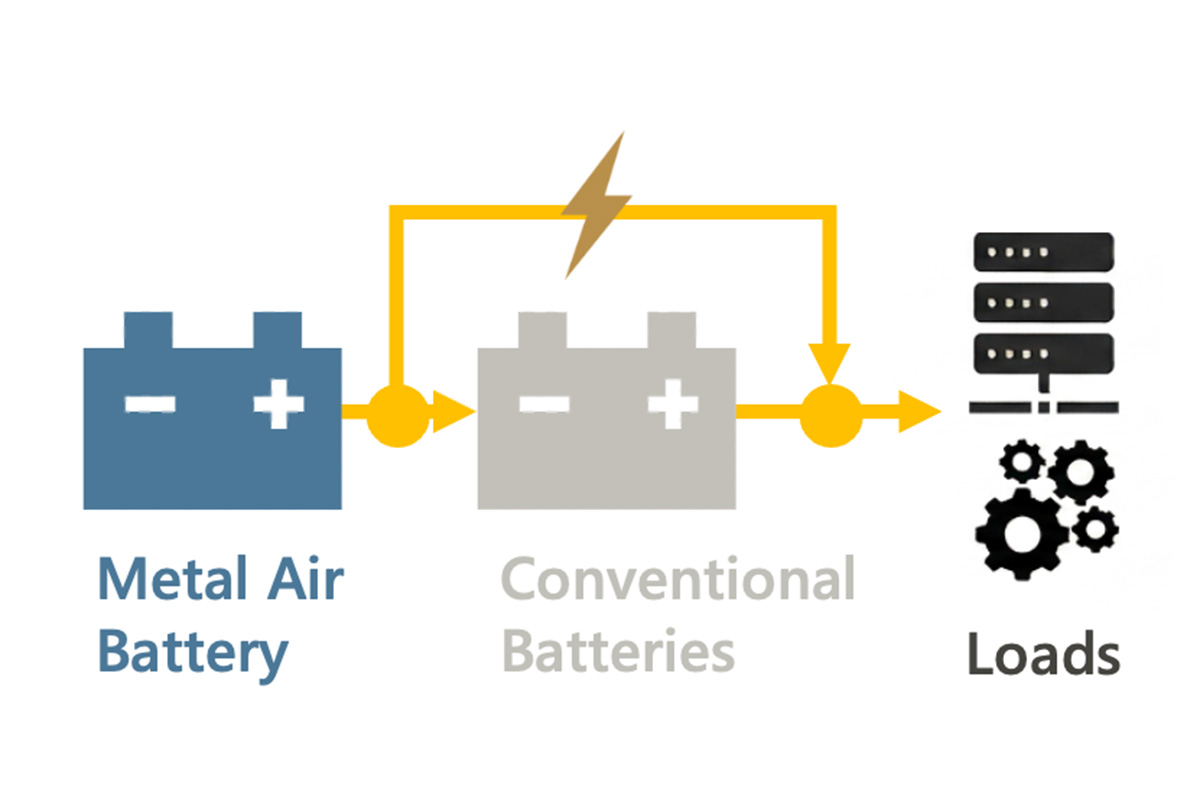
System
- Extends existing batteries through air-battery-based high-voltage integration
- Optimizes output and capacity for each application
Core Technologies
Rare-Metal-Free Catalyst × Gas Diffusion Electrode
We develop in-house the two core components that serve as the heart of the system.
Catalyst
Function
- Accelerates electrode reactions (e.g., oxygen reduction)
- Improves battery power generation efficiency and power density
Strengths
- High performance, rare-metal-free
- Customizability tailored to the target reaction
- Scalability (economic and environmental benefits)
Electrode (GDL)
Function
- Uniformly supplies fuel gas to the electrode, removes water during power generation, and assists electron flow
- Supports the catalyst and determines output characteristics
Strengths
- High performance (optimized for AZUL Catalyst)
- Versatility across diverse systems
- Scalability (economic and environmental benefits)
AZUL Catalyst
Catalyst design inspired by biological reactions
Oxygen transport by red blood cells
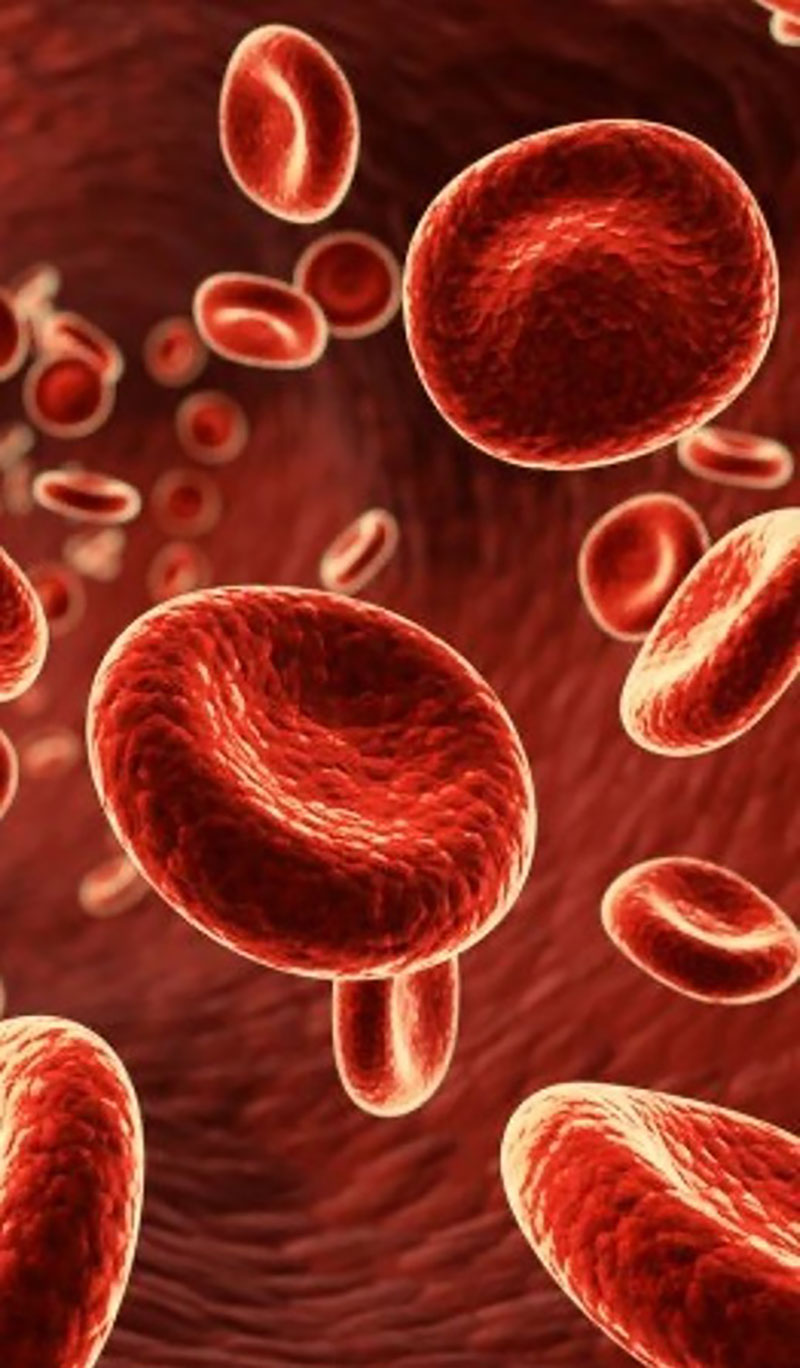
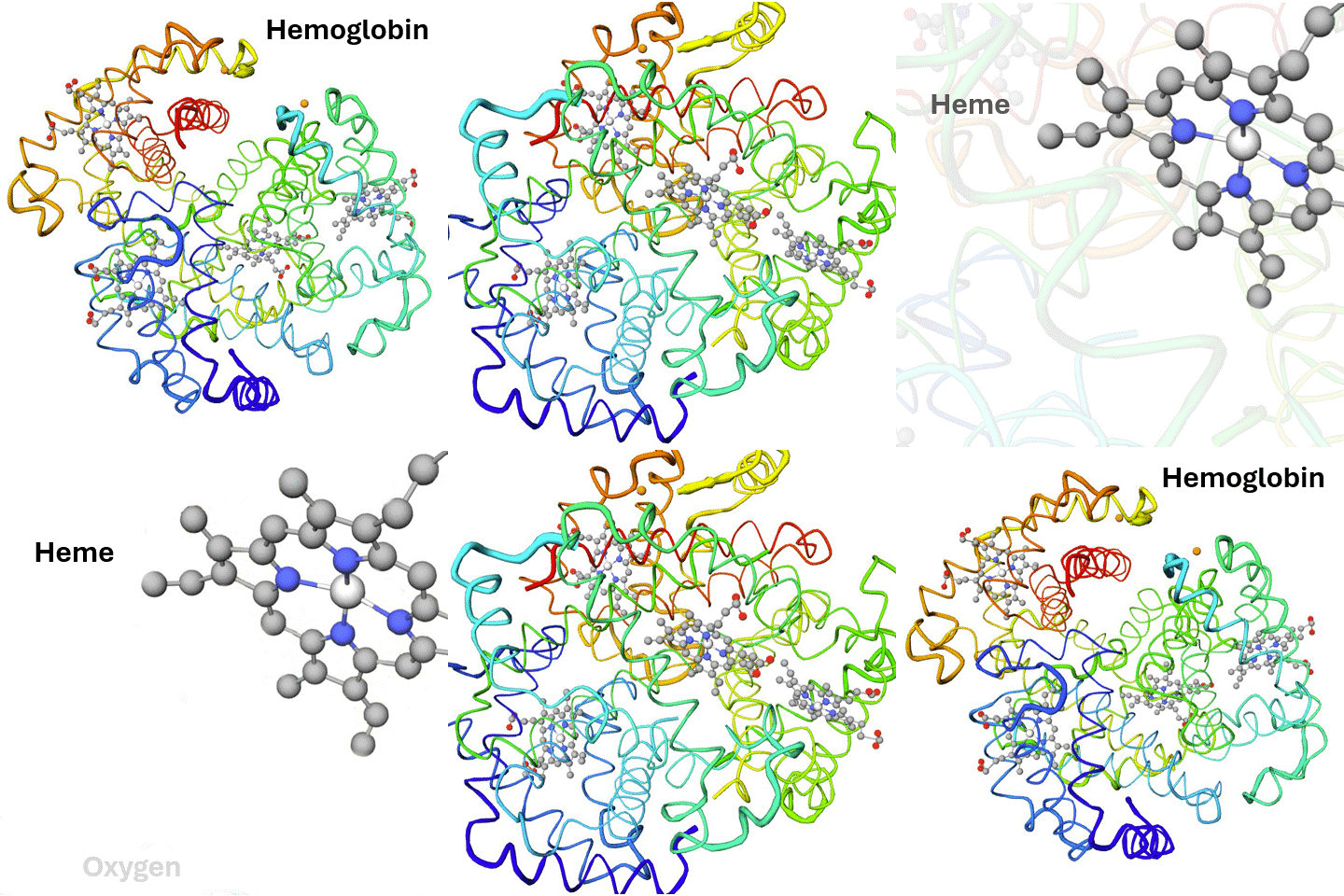
Oxygen taken in through respiration is delivered throughout the body by red blood cells in the blood. Hemoglobin in red blood cells contains a heme structure that plays a key role.
Oxygen uptake and release occur through adsorption and desorption driven by the iron atom at the center of the heme structure.
By focusing on this mechanism and designing molecules that efficiently reduce oxygen, AZUL Catalyst was born.
Monolayer adsorption on a carbon support
AZUL Catalyst has a structure in which AZUL pigments similar to heme are adsorbed in a monolayer on a carbon support surface. This enables a high density of active metal centers—analogous to the iron in heme—without mutual interference.
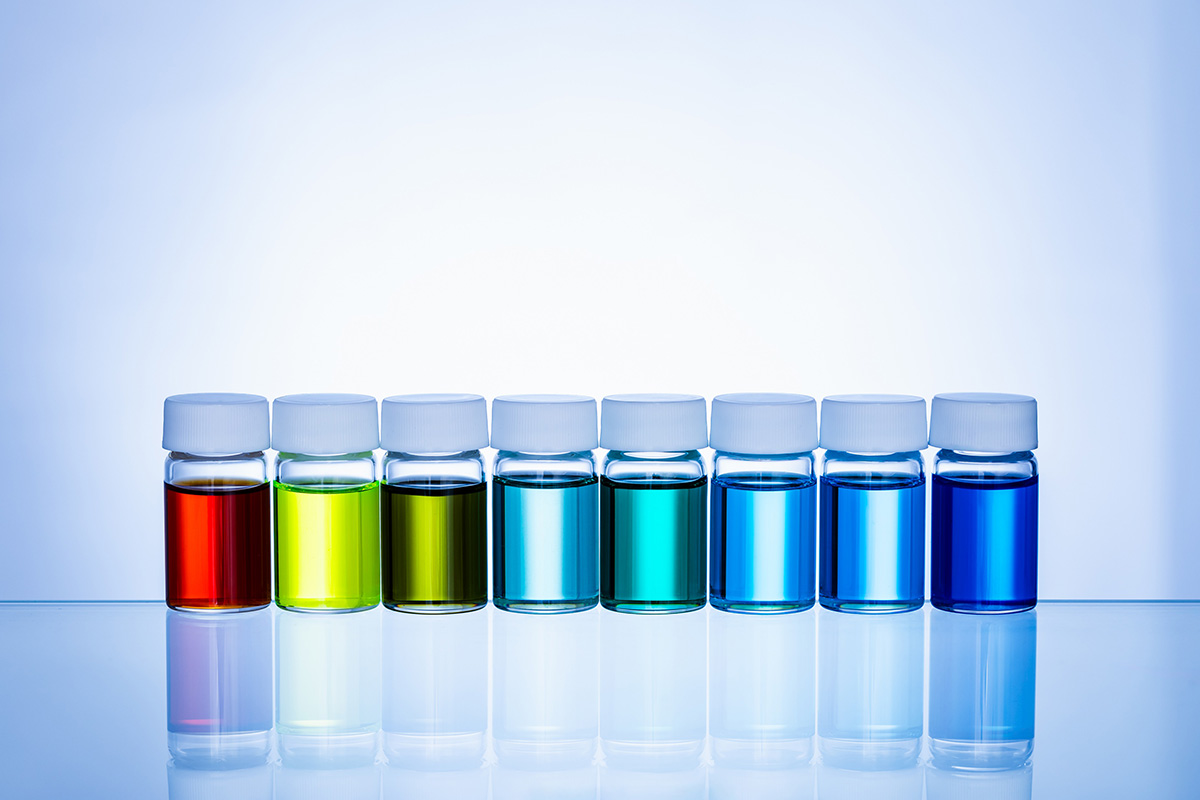
The name AZUL Catalyst comes from the initials of AZaphthalocyanine and Unimolecular Layers. “Azul” means blue in Spanish, and AZUL Catalyst solutions display a beautiful blue color.
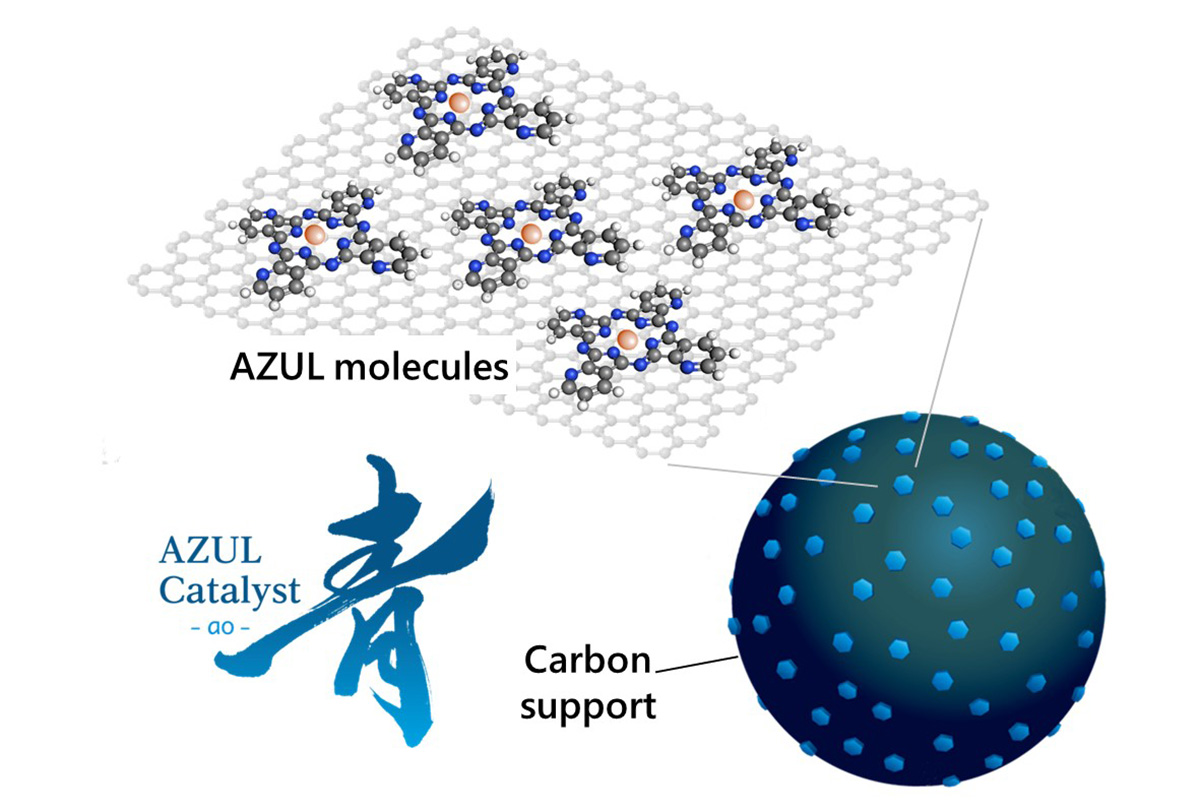
Features of AZUL Catalyst
High Performance
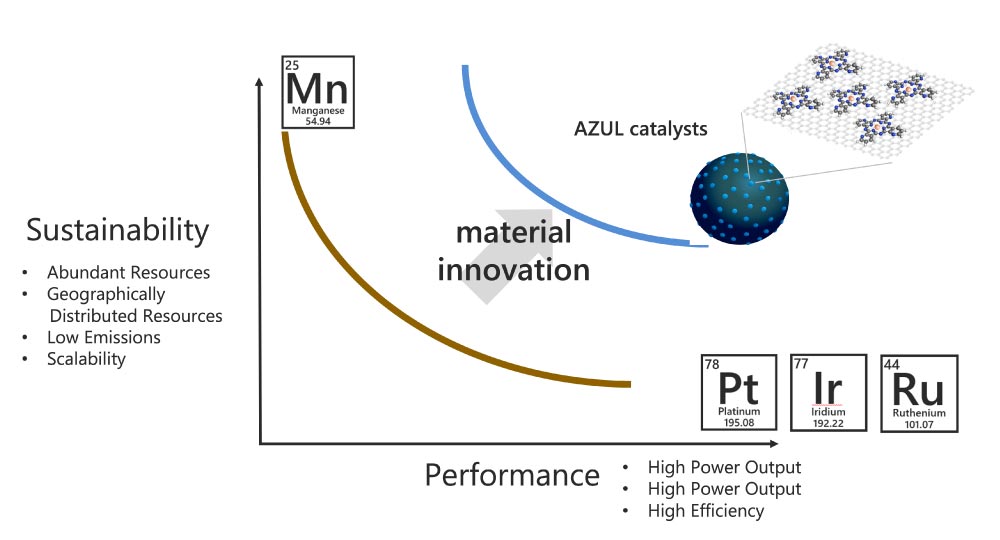
AZUL Catalyst is a next-generation technology that eliminates the conventional trade-off between high performance and sustainability. It delivers exceptional performance while simultaneously reducing environmental impact and maximizing cost efficiency.
Featuring a molecular design inspired by the oxygen transport mechanism of red blood cells, AZUL Catalyst outperforms conventional platinum catalysts.
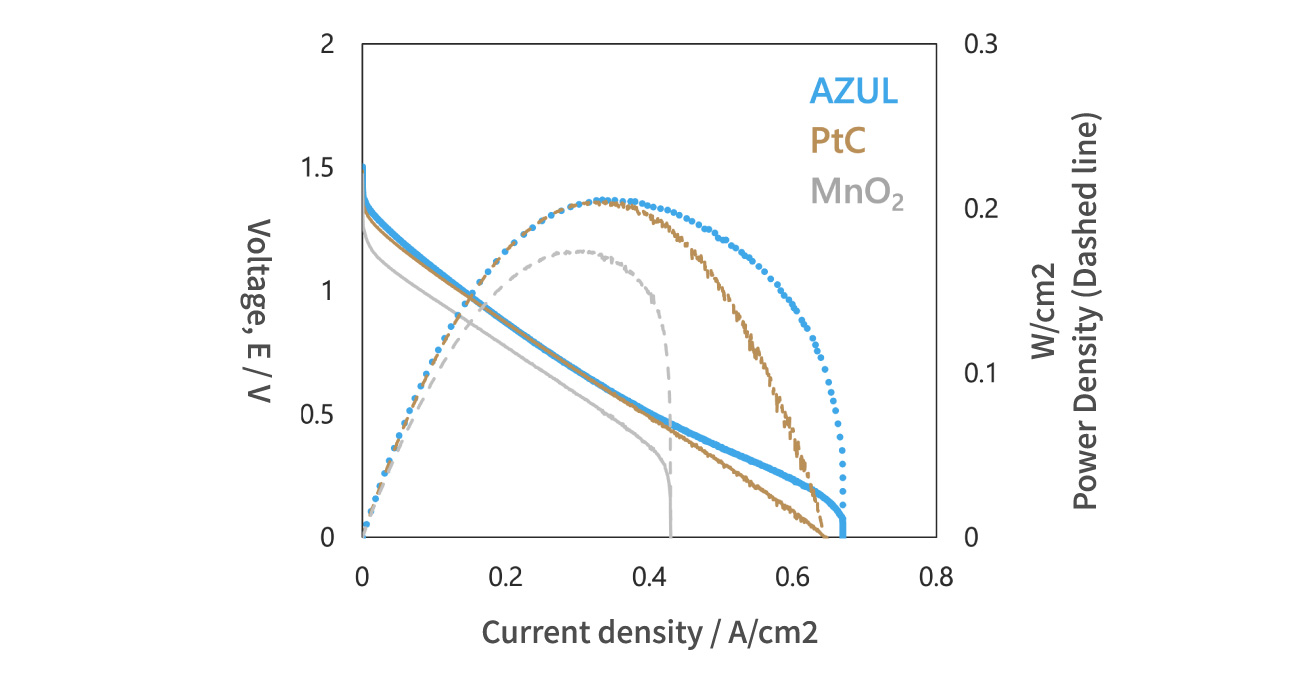
Note: Power density and current density are normalized by electrode area.
Customizability
With over 200+ variations in our library combining different central metals and molecular structures, AZUL Catalyst enables optimized design tailored to diverse device requirements.
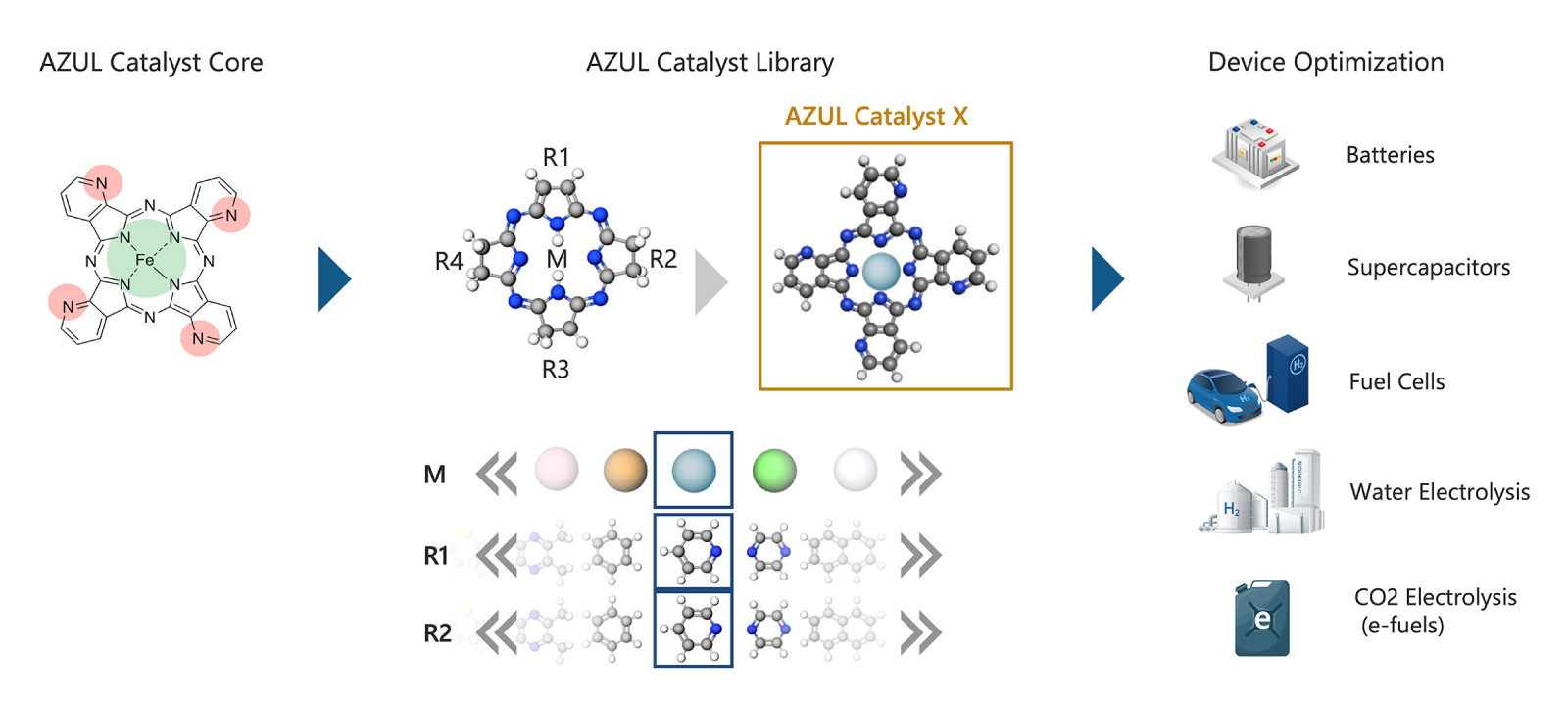
*Examples of optimizable systems: batteries, supercapacitors, fuel cells, water electrolysis, CO₂ electrolysis (e-fuels), and more.
Scalability
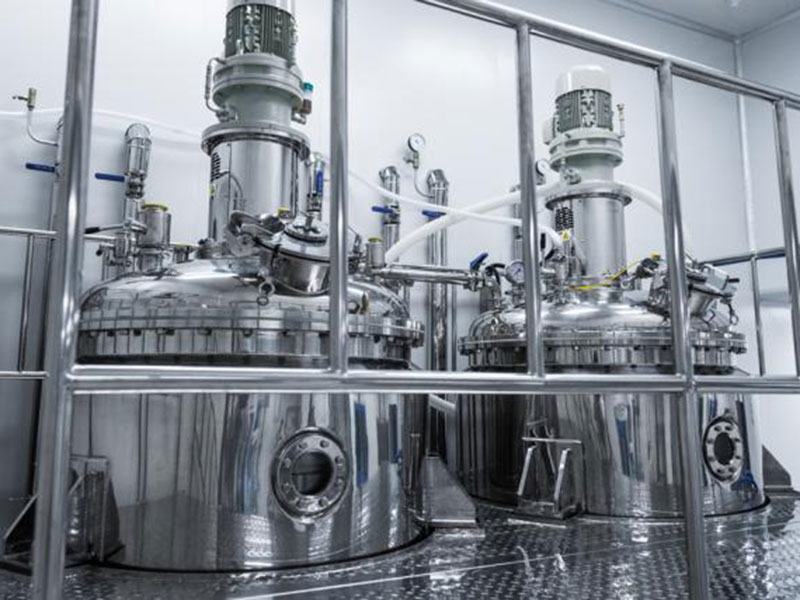
Because AZUL Catalyst can be mass-produced in existing chemical plants without resource constraints, it can flexibly accommodate increases in the manufacturing scale of devices that use the catalyst. Compared with platinum, it reduces manufacturing costs by 90% and CO₂ emissions by more than 99%, securing overwhelming scalability for the long term.
Performance Comparison